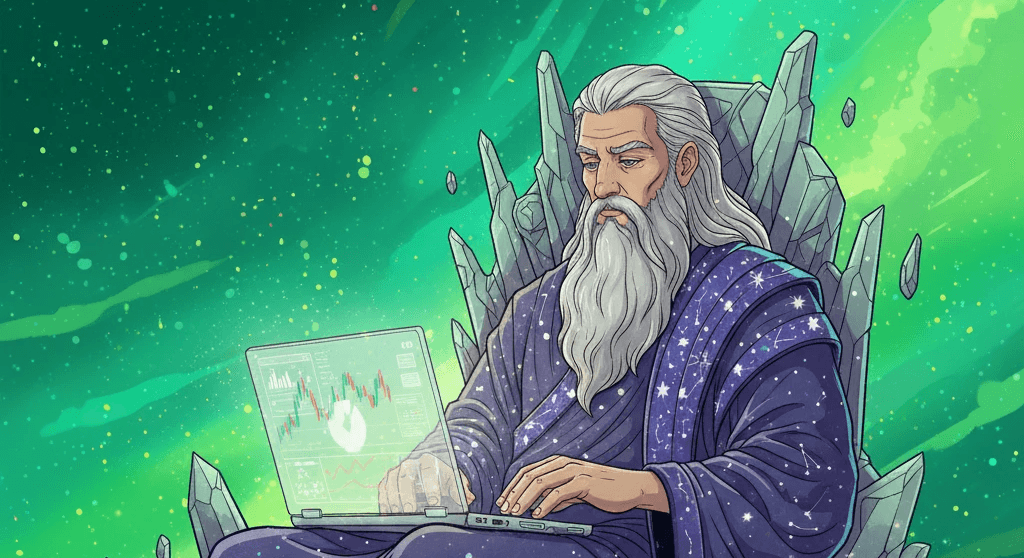
Community and Trading: Why Isolated Progress is Slower
Community and Trading: Why Isolated Progress is Slower
Community and Trading: Why Isolated Progress is Slower
The Myth of the Lone Trader
Although execution is individual, growth is collective. Trading in an absolute vacuum makes you prone to developing "blind spots" in your analysis and normalizing bad habits.
The Value of a Structured Community
Bias Validation: Sharing an idea and having other traders question your arguments forces you to be more rigorous.
Emotional Support: Only another trader understands what it feels like after a losing streak. The community offers the necessary resilience to keep going.
Shortening the Learning Curve: Learning from the mistakes of others is much cheaper than learning from your own.
The Olympus Ecosystem
Our community is not a signal group; it is a laboratory of ideas. We foster critical thinking and transparency in results.
Trading is Not a Solitary Sport: Why You Need a Community (and what it should be like)
Trading is, in its essence, an act of solitary decision-making. It's you against the market, a monitor, and your plan. However, believing that solitude is a virtue or a requirement for success is, perhaps, the most costly conceptual mistake made by novice and even some experienced traders. Let's say goodbye to the myth of the Wall Street "lone wolf"!
Although the execution of an order is individual and rests on your discipline, growth and sustainability over time are intrinsically collective. Trading in an absolute vacuum, isolated from any external feedback, makes you prone to several systemic dangers: developing "blind spots" in your analysis (patterns you don't see because your bias hides them) and, worse, normalizing bad operational or psychological habits without a critical counterweight.
The Invaluable Value of a "High-Performance Team"
A well-designed and managed trading community is not a market gossip forum, but a continuous improvement engine. The value it provides can be categorized into three fundamental pillars that accelerate your transition from an inexperienced to a profitable trader:
Bias Validation and Challenge (The Critical Mirror)
Sharing a trade idea is not seeking approval; it is subjecting your hypothesis to the test of reality through the minds of others.
When other traders, with different methodologies and perspectives, question the central thesis of your argument (asking about the timing, the risk/reward, or the invalidation), they force you to be more rigorous, to better quantify your risk, and to articulate your logic with a precision you would never achieve alone. This process is the most effective way to neutralize overconfidence and confirmation bias.
Emotional Support and Resilience Management (The Psychological Anchor)
Trading is an emotional roller coaster. Consecutive losing streaks (drawdowns) can be psychologically devastating, leading to impulsive and self-destructive decisions.
Only another trader who has experienced a margin call or managed a losing week truly understands the emotional weight of the activity. The community becomes a vital source of resilience, offering empathy, accountability (mutual responsibility), and proven strategies for managing fear, greed, and frustration, allowing the trader to move forward and stick to the plan.
Drastically Shortening the Learning Curve (Capital Efficiency)
Trading is a game of errors. Every mistake is paid for with real capital and time. The community allows the cost of learning to be outsourced.
Learning from the mistakes, failures, and successes of others is exponentially faster and significantly cheaper than learning exclusively from your own. An experienced trader can identify a risk management error in minutes that would take a novice months of losses to discover for themselves.
The Olympus Ecosystem: A Laboratory of Ideas, Not a Signal Group
At Olympus Trading, we have designed our community with a clear philosophy: intellectual empowerment over dependence. We categorically reject the "signal group" model, which encourages mental laziness and the delegation of responsibility.
Our community is, first and foremost, an idea laboratory. We foster an environment where critical thinking is the currency of exchange. Here, the key question is not what to buy or sell, but why and under what conditions the market hypothesis becomes invalid.
We promote total transparency in results and methodology, understanding that only brutal honesty about statistics and thought processes can build sustainable traders. Olympus is the place where the lone trader finds their team for the market battle.
7. Copying Strategies vs. Developing One's Own Criterion: The True Competence of the Modern Trader
Publication Date: December 18, 2025
Category: Competence
Reading Time: 19 min
Author: Olympus Team
The Fragility of "Copy-Trading"
Copying a strategy is like using a map of a city that changes every day. The moment the market changes its volatility or structure, the trader who only copies becomes paralyzed because they do not understand the logic behind the system.
The Pillars of One's Own Criterion
Understanding the "Why": Don't enter because the indicator crossed; enter because you understand where liquidity is trapped and who has control of the price.
Adaptability: One's own criterion allows you to adjust your risk management when you notice that the market is in a low-probability environment.
Unwavering Confidence: Only confidence...
The Myth of the Lone Trader
Although execution is individual, growth is collective. Trading in an absolute vacuum makes you prone to developing "blind spots" in your analysis and normalizing bad habits.
The Value of a Structured Community
Bias Validation: Sharing an idea and having other traders question your arguments forces you to be more rigorous.
Emotional Support: Only another trader understands what it feels like after a losing streak. The community offers the necessary resilience to keep going.
Shortening the Learning Curve: Learning from the mistakes of others is much cheaper than learning from your own.
The Olympus Ecosystem
Our community is not a signal group; it is a laboratory of ideas. We foster critical thinking and transparency in results.
Trading is Not a Solitary Sport: Why You Need a Community (and what it should be like)
Trading is, in its essence, an act of solitary decision-making. It's you against the market, a monitor, and your plan. However, believing that solitude is a virtue or a requirement for success is, perhaps, the most costly conceptual mistake made by novice and even some experienced traders. Let's say goodbye to the myth of the Wall Street "lone wolf"!
Although the execution of an order is individual and rests on your discipline, growth and sustainability over time are intrinsically collective. Trading in an absolute vacuum, isolated from any external feedback, makes you prone to several systemic dangers: developing "blind spots" in your analysis (patterns you don't see because your bias hides them) and, worse, normalizing bad operational or psychological habits without a critical counterweight.
The Invaluable Value of a "High-Performance Team"
A well-designed and managed trading community is not a market gossip forum, but a continuous improvement engine. The value it provides can be categorized into three fundamental pillars that accelerate your transition from an inexperienced to a profitable trader:
Bias Validation and Challenge (The Critical Mirror)
Sharing a trade idea is not seeking approval; it is subjecting your hypothesis to the test of reality through the minds of others.
When other traders, with different methodologies and perspectives, question the central thesis of your argument (asking about the timing, the risk/reward, or the invalidation), they force you to be more rigorous, to better quantify your risk, and to articulate your logic with a precision you would never achieve alone. This process is the most effective way to neutralize overconfidence and confirmation bias.
Emotional Support and Resilience Management (The Psychological Anchor)
Trading is an emotional roller coaster. Consecutive losing streaks (drawdowns) can be psychologically devastating, leading to impulsive and self-destructive decisions.
Only another trader who has experienced a margin call or managed a losing week truly understands the emotional weight of the activity. The community becomes a vital source of resilience, offering empathy, accountability (mutual responsibility), and proven strategies for managing fear, greed, and frustration, allowing the trader to move forward and stick to the plan.
Drastically Shortening the Learning Curve (Capital Efficiency)
Trading is a game of errors. Every mistake is paid for with real capital and time. The community allows the cost of learning to be outsourced.
Learning from the mistakes, failures, and successes of others is exponentially faster and significantly cheaper than learning exclusively from your own. An experienced trader can identify a risk management error in minutes that would take a novice months of losses to discover for themselves.
The Olympus Ecosystem: A Laboratory of Ideas, Not a Signal Group
At Olympus Trading, we have designed our community with a clear philosophy: intellectual empowerment over dependence. We categorically reject the "signal group" model, which encourages mental laziness and the delegation of responsibility.
Our community is, first and foremost, an idea laboratory. We foster an environment where critical thinking is the currency of exchange. Here, the key question is not what to buy or sell, but why and under what conditions the market hypothesis becomes invalid.
We promote total transparency in results and methodology, understanding that only brutal honesty about statistics and thought processes can build sustainable traders. Olympus is the place where the lone trader finds their team for the market battle.
7. Copying Strategies vs. Developing One's Own Criterion: The True Competence of the Modern Trader
Publication Date: December 18, 2025
Category: Competence
Reading Time: 19 min
Author: Olympus Team
The Fragility of "Copy-Trading"
Copying a strategy is like using a map of a city that changes every day. The moment the market changes its volatility or structure, the trader who only copies becomes paralyzed because they do not understand the logic behind the system.
The Pillars of One's Own Criterion
Understanding the "Why": Don't enter because the indicator crossed; enter because you understand where liquidity is trapped and who has control of the price.
Adaptability: One's own criterion allows you to adjust your risk management when you notice that the market is in a low-probability environment.
Unwavering Confidence: Only confidence...
The Myth of the Lone Trader
Although execution is individual, growth is collective. Trading in an absolute vacuum makes you prone to developing "blind spots" in your analysis and normalizing bad habits.
The Value of a Structured Community
Bias Validation: Sharing an idea and having other traders question your arguments forces you to be more rigorous.
Emotional Support: Only another trader understands what it feels like after a losing streak. The community offers the necessary resilience to keep going.
Shortening the Learning Curve: Learning from the mistakes of others is much cheaper than learning from your own.
The Olympus Ecosystem
Our community is not a signal group; it is a laboratory of ideas. We foster critical thinking and transparency in results.
Trading is Not a Solitary Sport: Why You Need a Community (and what it should be like)
Trading is, in its essence, an act of solitary decision-making. It's you against the market, a monitor, and your plan. However, believing that solitude is a virtue or a requirement for success is, perhaps, the most costly conceptual mistake made by novice and even some experienced traders. Let's say goodbye to the myth of the Wall Street "lone wolf"!
Although the execution of an order is individual and rests on your discipline, growth and sustainability over time are intrinsically collective. Trading in an absolute vacuum, isolated from any external feedback, makes you prone to several systemic dangers: developing "blind spots" in your analysis (patterns you don't see because your bias hides them) and, worse, normalizing bad operational or psychological habits without a critical counterweight.
The Invaluable Value of a "High-Performance Team"
A well-designed and managed trading community is not a market gossip forum, but a continuous improvement engine. The value it provides can be categorized into three fundamental pillars that accelerate your transition from an inexperienced to a profitable trader:
Bias Validation and Challenge (The Critical Mirror)
Sharing a trade idea is not seeking approval; it is subjecting your hypothesis to the test of reality through the minds of others.
When other traders, with different methodologies and perspectives, question the central thesis of your argument (asking about the timing, the risk/reward, or the invalidation), they force you to be more rigorous, to better quantify your risk, and to articulate your logic with a precision you would never achieve alone. This process is the most effective way to neutralize overconfidence and confirmation bias.
Emotional Support and Resilience Management (The Psychological Anchor)
Trading is an emotional roller coaster. Consecutive losing streaks (drawdowns) can be psychologically devastating, leading to impulsive and self-destructive decisions.
Only another trader who has experienced a margin call or managed a losing week truly understands the emotional weight of the activity. The community becomes a vital source of resilience, offering empathy, accountability (mutual responsibility), and proven strategies for managing fear, greed, and frustration, allowing the trader to move forward and stick to the plan.
Drastically Shortening the Learning Curve (Capital Efficiency)
Trading is a game of errors. Every mistake is paid for with real capital and time. The community allows the cost of learning to be outsourced.
Learning from the mistakes, failures, and successes of others is exponentially faster and significantly cheaper than learning exclusively from your own. An experienced trader can identify a risk management error in minutes that would take a novice months of losses to discover for themselves.
The Olympus Ecosystem: A Laboratory of Ideas, Not a Signal Group
At Olympus Trading, we have designed our community with a clear philosophy: intellectual empowerment over dependence. We categorically reject the "signal group" model, which encourages mental laziness and the delegation of responsibility.
Our community is, first and foremost, an idea laboratory. We foster an environment where critical thinking is the currency of exchange. Here, the key question is not what to buy or sell, but why and under what conditions the market hypothesis becomes invalid.
We promote total transparency in results and methodology, understanding that only brutal honesty about statistics and thought processes can build sustainable traders. Olympus is the place where the lone trader finds their team for the market battle.
7. Copying Strategies vs. Developing One's Own Criterion: The True Competence of the Modern Trader
Publication Date: December 18, 2025
Category: Competence
Reading Time: 19 min
Author: Olympus Team
The Fragility of "Copy-Trading"
Copying a strategy is like using a map of a city that changes every day. The moment the market changes its volatility or structure, the trader who only copies becomes paralyzed because they do not understand the logic behind the system.
The Pillars of One's Own Criterion
Understanding the "Why": Don't enter because the indicator crossed; enter because you understand where liquidity is trapped and who has control of the price.
Adaptability: One's own criterion allows you to adjust your risk management when you notice that the market is in a low-probability environment.
Unwavering Confidence: Only confidence...
Date of publication
Dec 17, 2025
Dec 17, 2025
Category
Events and Community
Events and Community
Time to read
14 min
14 min
Author
Olympus Team
Olympus Team
Categories
Events and Community
Events and Community
Featured Traders
Featured Traders
Risk Management
Risk Management

Community and Trading: Why Isolated Progress is Slower
The Myth of the Lone Trader
Although execution is individual, growth is collective. Trading in an absolute vacuum makes you prone to developing "blind spots" in your analysis and normalizing bad habits.
The Value of a Structured Community
Bias Validation: Sharing an idea and having other traders question your arguments forces you to be more rigorous.
Emotional Support: Only another trader understands what it feels like after a losing streak. The community offers the necessary resilience to keep going.
Shortening the Learning Curve: Learning from the mistakes of others is much cheaper than learning from your own.
The Olympus Ecosystem
Our community is not a signal group; it is a laboratory of ideas. We foster critical thinking and transparency in results.
Trading is Not a Solitary Sport: Why You Need a Community (and what it should be like)
Trading is, in its essence, an act of solitary decision-making. It's you against the market, a monitor, and your plan. However, believing that solitude is a virtue or a requirement for success is, perhaps, the most costly conceptual mistake made by novice and even some experienced traders. Let's say goodbye to the myth of the Wall Street "lone wolf"!
Although the execution of an order is individual and rests on your discipline, growth and sustainability over time are intrinsically collective. Trading in an absolute vacuum, isolated from any external feedback, makes you prone to several systemic dangers: developing "blind spots" in your analysis (patterns you don't see because your bias hides them) and, worse, normalizing bad operational or psychological habits without a critical counterweight.
The Invaluable Value of a "High-Performance Team"
A well-designed and managed trading community is not a market gossip forum, but a continuous improvement engine. The value it provides can be categorized into three fundamental pillars that accelerate your transition from an inexperienced to a profitable trader:
Bias Validation and Challenge (The Critical Mirror)
Sharing a trade idea is not seeking approval; it is subjecting your hypothesis to the test of reality through the minds of others.
When other traders, with different methodologies and perspectives, question the central thesis of your argument (asking about the timing, the risk/reward, or the invalidation), they force you to be more rigorous, to better quantify your risk, and to articulate your logic with a precision you would never achieve alone. This process is the most effective way to neutralize overconfidence and confirmation bias.
Emotional Support and Resilience Management (The Psychological Anchor)
Trading is an emotional roller coaster. Consecutive losing streaks (drawdowns) can be psychologically devastating, leading to impulsive and self-destructive decisions.
Only another trader who has experienced a margin call or managed a losing week truly understands the emotional weight of the activity. The community becomes a vital source of resilience, offering empathy, accountability (mutual responsibility), and proven strategies for managing fear, greed, and frustration, allowing the trader to move forward and stick to the plan.
Drastically Shortening the Learning Curve (Capital Efficiency)
Trading is a game of errors. Every mistake is paid for with real capital and time. The community allows the cost of learning to be outsourced.
Learning from the mistakes, failures, and successes of others is exponentially faster and significantly cheaper than learning exclusively from your own. An experienced trader can identify a risk management error in minutes that would take a novice months of losses to discover for themselves.
The Olympus Ecosystem: A Laboratory of Ideas, Not a Signal Group
At Olympus Trading, we have designed our community with a clear philosophy: intellectual empowerment over dependence. We categorically reject the "signal group" model, which encourages mental laziness and the delegation of responsibility.
Our community is, first and foremost, an idea laboratory. We foster an environment where critical thinking is the currency of exchange. Here, the key question is not what to buy or sell, but why and under what conditions the market hypothesis becomes invalid.
We promote total transparency in results and methodology, understanding that only brutal honesty about statistics and thought processes can build sustainable traders. Olympus is the place where the lone trader finds their team for the market battle.
7. Copying Strategies vs. Developing One's Own Criterion: The True Competence of the Modern Trader
Publication Date: December 18, 2025
Category: Competence
Reading Time: 19 min
Author: Olympus Team
The Fragility of "Copy-Trading"
Copying a strategy is like using a map of a city that changes every day. The moment the market changes its volatility or structure, the trader who only copies becomes paralyzed because they do not understand the logic behind the system.
The Pillars of One's Own Criterion
Understanding the "Why": Don't enter because the indicator crossed; enter because you understand where liquidity is trapped and who has control of the price.
Adaptability: One's own criterion allows you to adjust your risk management when you notice that the market is in a low-probability environment.
Unwavering Confidence: Only confidence...
Date of publication
Dec 17, 2025
Category
Events and Community
Time to read
14 min
Author
Olympus Team
Categories
Events and Community
Featured Traders
Risk Management
Get 40% off for being a new trader
-START NOW-
Copy the code and begin your journey in this new world

Operar en los mercados financieros conlleva un alto nivel de riesgo y puede no ser adecuado para todos los inversionistas. Antes de participar en cualquier tipo de trading, debes considerar cuidadosamente tus objetivos, nivel de experiencia y tolerancia al riesgo. Nunca arriesgues más de lo que estás dispuesto a perder. Olympus no es una entidad financiera ni ofrece asesoramiento de inversión. Toda la información proporcionada en esta plataforma es solo con fines educativos e informativos. El rendimiento pasado no garantiza resultados futuros. Trading simulado: Todos los challenges realizados en Olympus se desarrollan en un entorno de trading simulado. Esto significa que no se opera con dinero real ni en mercados en vivo. Los resultados obtenidos en cuentas simuladas no representan necesariamente resultados que se puedan alcanzar en condiciones reales de mercado. El rendimiento simulado puede diferir significativamente de la operativa en vivo debido a factores como la gestión emocional, el deslizamiento (slippage), la ejecución de órdenes y la volatilidad. Participar en estos retos no garantiza futuros resultados en cuentas reales.
© Copyright 2025, All Rights Reserved
Get 40% off for being a new trader
-START NOW-
Copy the code and begin your journey in this new world
Operar en los mercados financieros conlleva un alto nivel de riesgo y puede no ser adecuado para todos los inversionistas. Antes de participar en cualquier tipo de trading, debes considerar cuidadosamente tus objetivos, nivel de experiencia y tolerancia al riesgo. Nunca arriesgues más de lo que estás dispuesto a perder. Olympus no es una entidad financiera ni ofrece asesoramiento de inversión. Toda la información proporcionada en esta plataforma es solo con fines educativos e informativos. El rendimiento pasado no garantiza resultados futuros. Trading simulado: Todos los challenges realizados en Olympus se desarrollan en un entorno de trading simulado. Esto significa que no se opera con dinero real ni en mercados en vivo. Los resultados obtenidos en cuentas simuladas no representan necesariamente resultados que se puedan alcanzar en condiciones reales de mercado. El rendimiento simulado puede diferir significativamente de la operativa en vivo debido a factores como la gestión emocional, el deslizamiento (slippage), la ejecución de órdenes y la volatilidad. Participar en estos retos no garantiza futuros resultados en cuentas reales.
© Copyright 2025, All Rights Reserved
Get 40% off for being a new trader
-START NOW-
Copy the code and begin your journey in this new world
Operar en los mercados financieros conlleva un alto nivel de riesgo y puede no ser adecuado para todos los inversionistas. Antes de participar en cualquier tipo de trading, debes considerar cuidadosamente tus objetivos, nivel de experiencia y tolerancia al riesgo. Nunca arriesgues más de lo que estás dispuesto a perder. Olympus no es una entidad financiera ni ofrece asesoramiento de inversión. Toda la información proporcionada en esta plataforma es solo con fines educativos e informativos. El rendimiento pasado no garantiza resultados futuros. Trading simulado: Todos los challenges realizados en Olympus se desarrollan en un entorno de trading simulado. Esto significa que no se opera con dinero real ni en mercados en vivo. Los resultados obtenidos en cuentas simuladas no representan necesariamente resultados que se puedan alcanzar en condiciones reales de mercado. El rendimiento simulado puede diferir significativamente de la operativa en vivo debido a factores como la gestión emocional, el deslizamiento (slippage), la ejecución de órdenes y la volatilidad. Participar en estos retos no garantiza futuros resultados en cuentas reales.
© Copyright 2025, All Rights Reserved
Get 40% off for being a new trader
-START NOW-
Copy the code and begin your journey in this new world
© Copyright 2025, All Rights Reserved